
Headlights turn yellow in Arizona mainly because sunlight damages the protective coating on plastic lenses, allowing the surface to deteriorate. Outdoor parking exposes headlights to repeated UV radiation, while dust and road debris add grime and wear. Cleaning removes dirt; persistent yellowing usually needs restoration with UV protection or replacement.
Arizona sunshine is great for pool days. For your headlights, it’s more of a long-term workplace hazard.
One day, your car looks perfectly respectable. Then you notice its headlights have developed the color of an aging takeout container. You wash the car. The paint sparkles. The headlights still look like they’ve been marinating in iced tea.
What happened—and can you fix it? Here’s how to tell what your headlights need before reaching for a scrub brush or shopping for replacements.
Yellow Headlights at a Glance
| What you notice | Possible cause | What to do next |
| Dusty or dirty lenses | Surface grime | Wash, rinse, and inspect again |
| Yellowing or haze that remains after washing | Deteriorated exterior coating or plastic | Assess for restoration with UV protection |
| Fine pitting or scratches | Road debris and surface wear | Have the damage evaluated; results depend on depth |
| Fog or water inside the assembly | Condensation or a moisture problem | Check the owner’s manual; seek inspection for persistent moisture or pooling |
| Clear lenses but weak illumination | Bulb, alignment, electrical, or internal component issues | Have the lighting system checked |
Why Do Headlights Turn Yellow in Arizona?
Sunlight breaks down the protective coating
Many modern headlights use polycarbonate, a tough, clear plastic. A factory-applied protective coating helps defend the lens against the elements. Over time, sunlight damages that coating, and the lens can become yellow, dull, or cloudy.
AAA explains that sunlight exposure breaks down protective headlight coatings. For a Phoenix car that spends its days in an uncovered driveway or parking lot, repeated sun exposure makes this especially relevant.
Think of the coating as your headlights’ sun protection. Unfortunately, your car cannot wander into the shade when it has had enough.
Dust and road debris add grime and wear
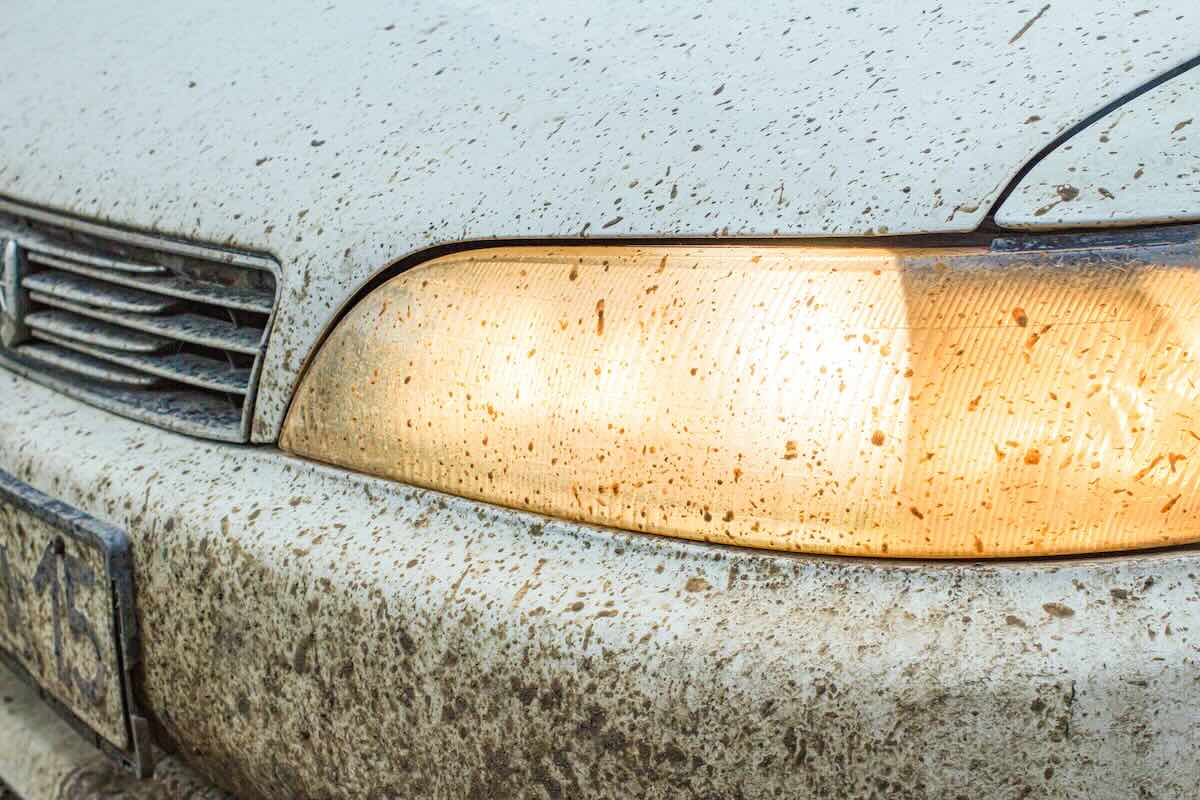
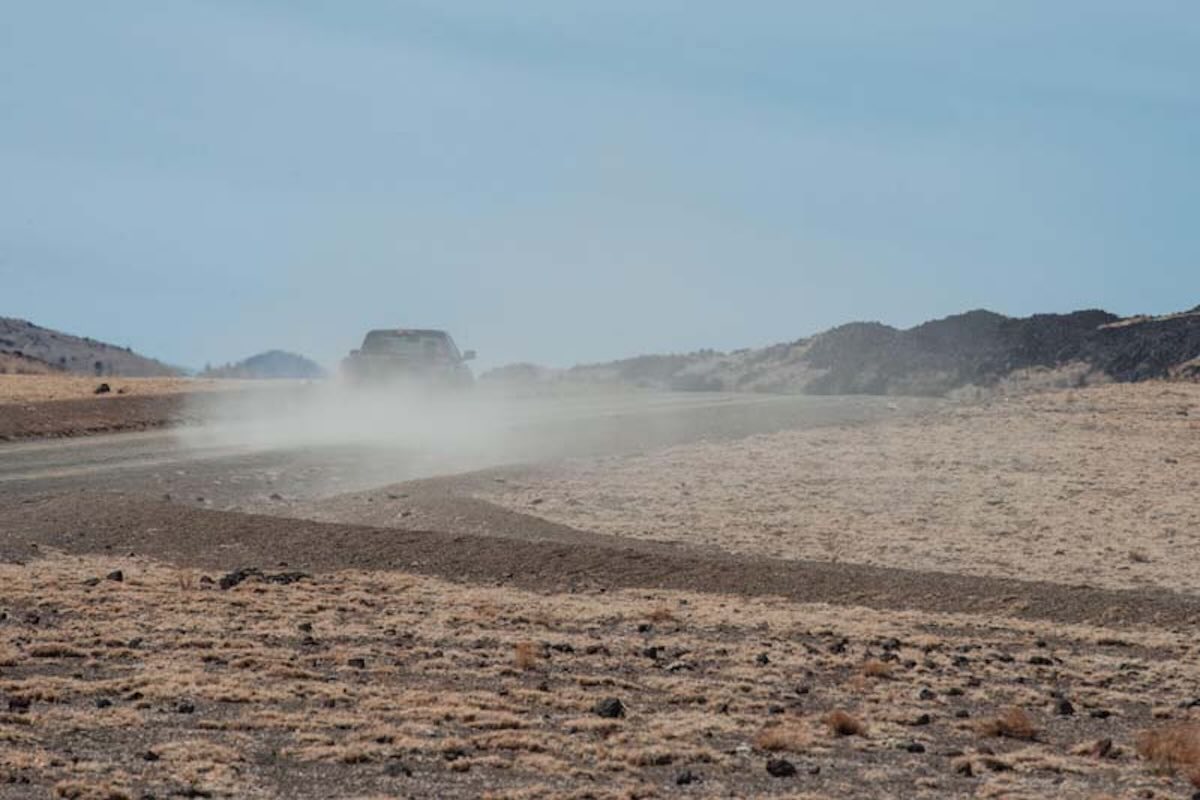
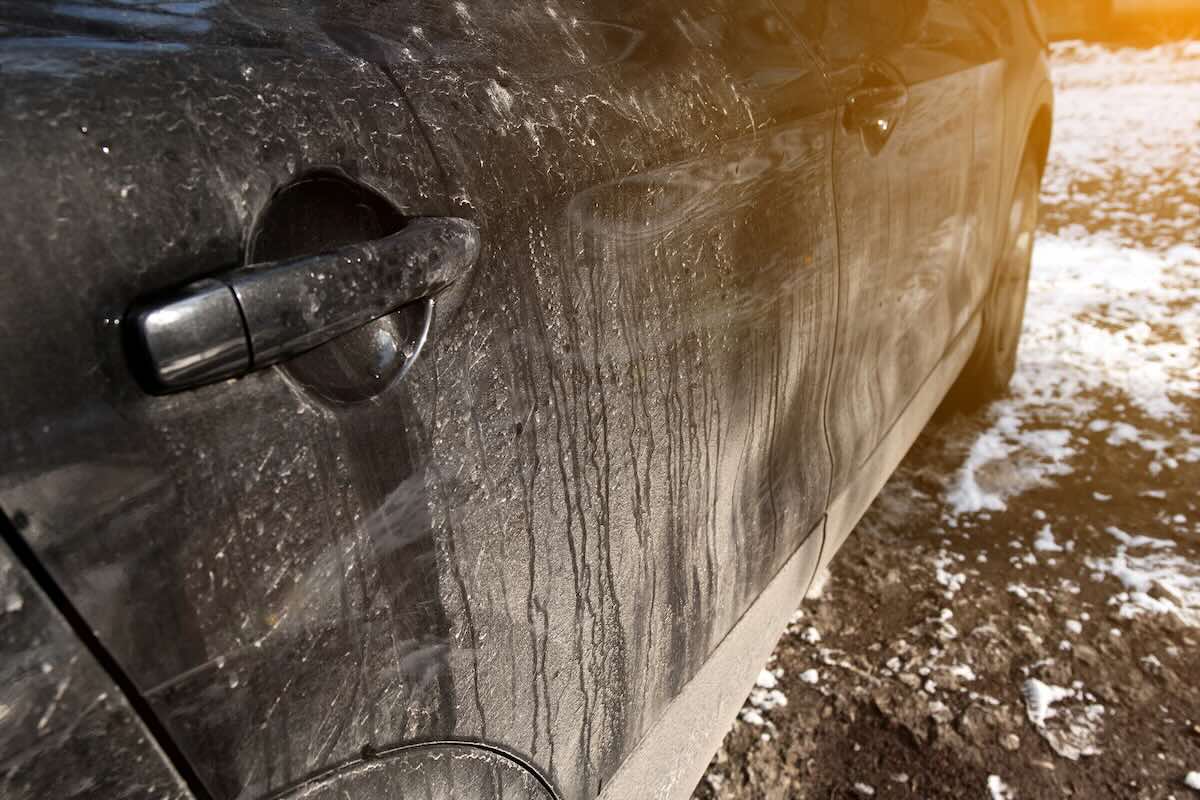
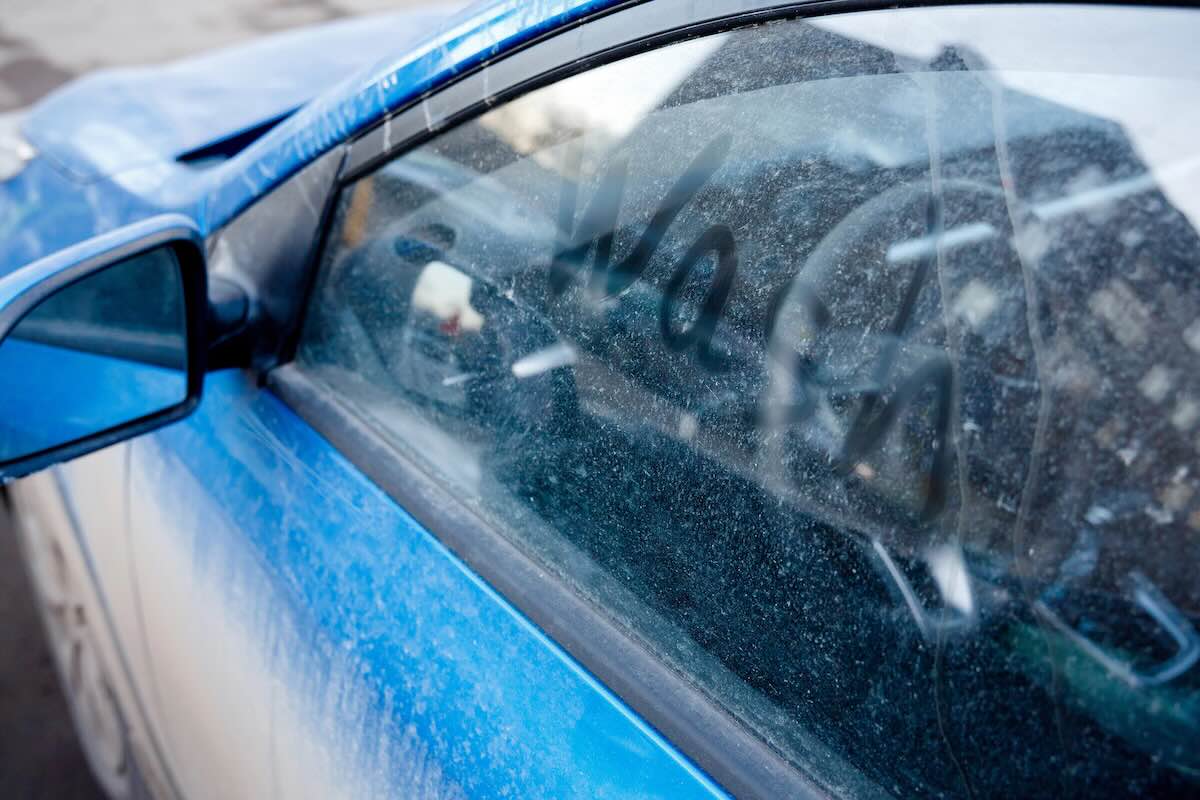
Desert dust can leave headlights looking dull even when the lenses underneath are still clear. Road grit and small debris can also contribute to surface wear.
These are different problems. Dirt sits on the surface and can wash away. Deterioration changes the coating or lens itself. Scrubbing harder will not turn damaged plastic back into new plastic—and rubbing a dusty lens can add scratches.
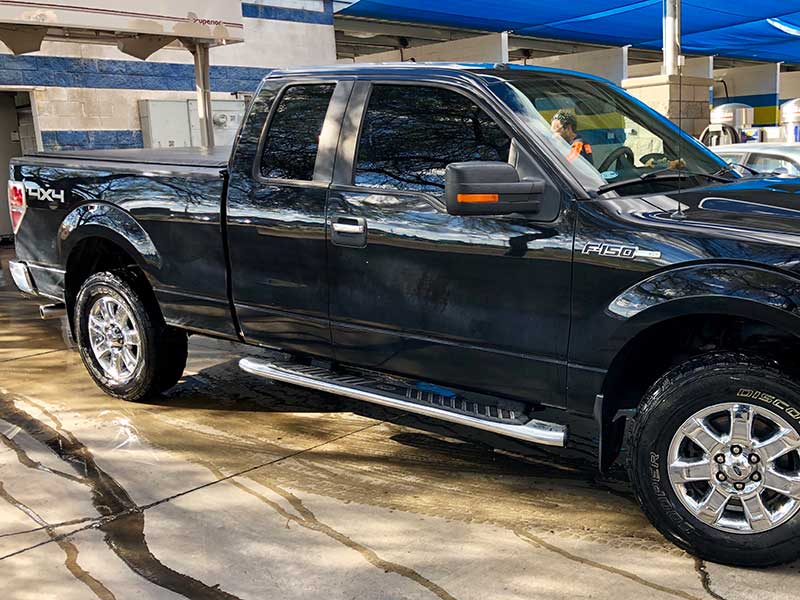
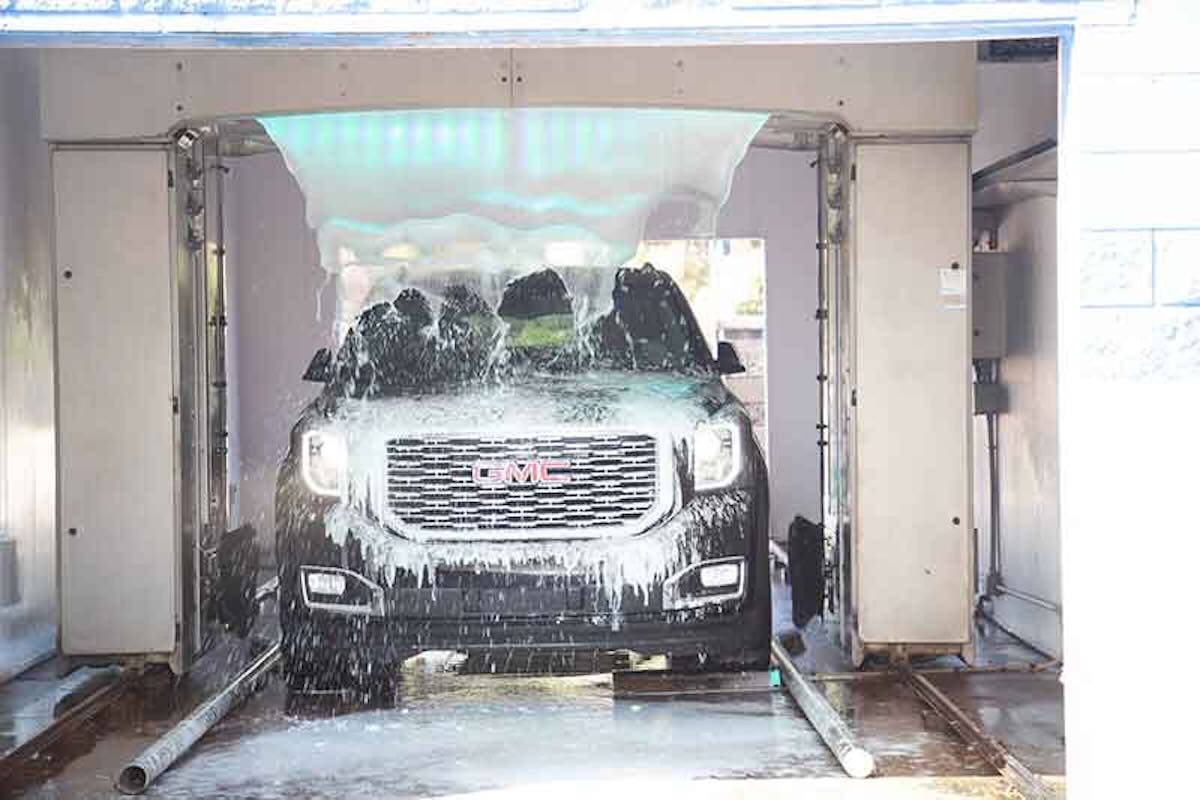
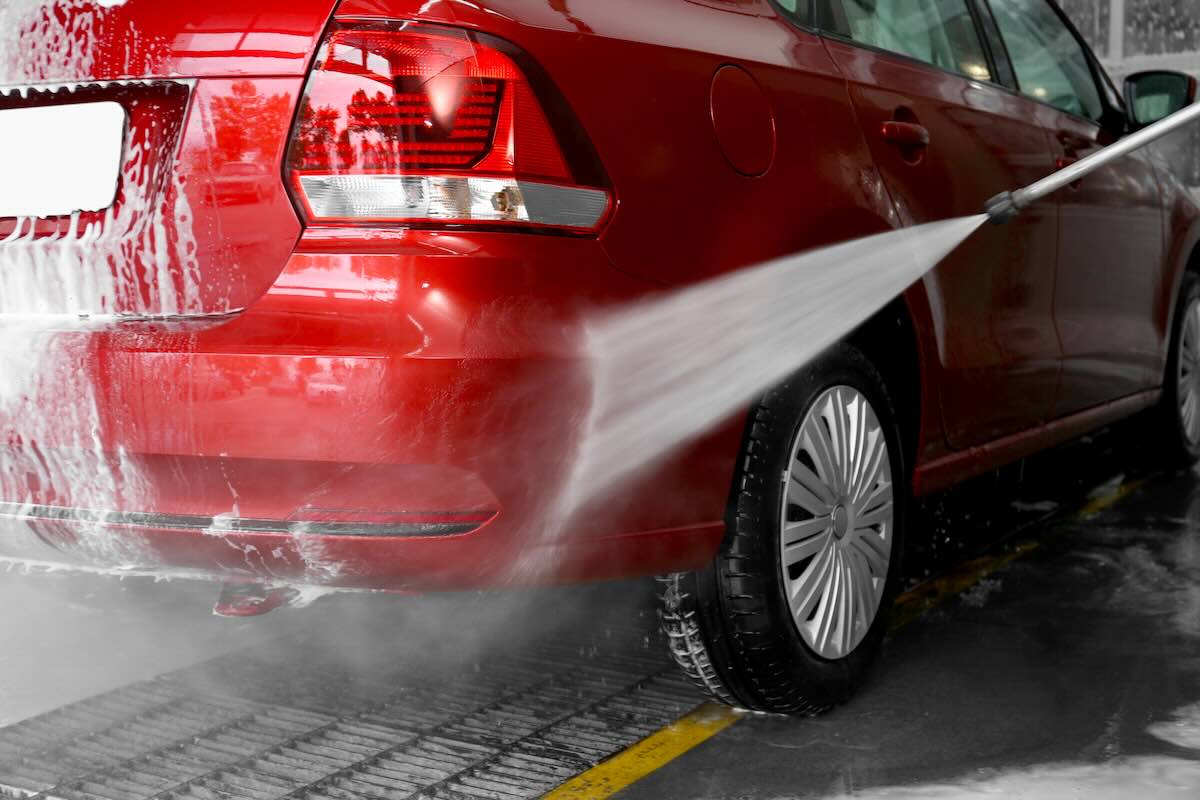
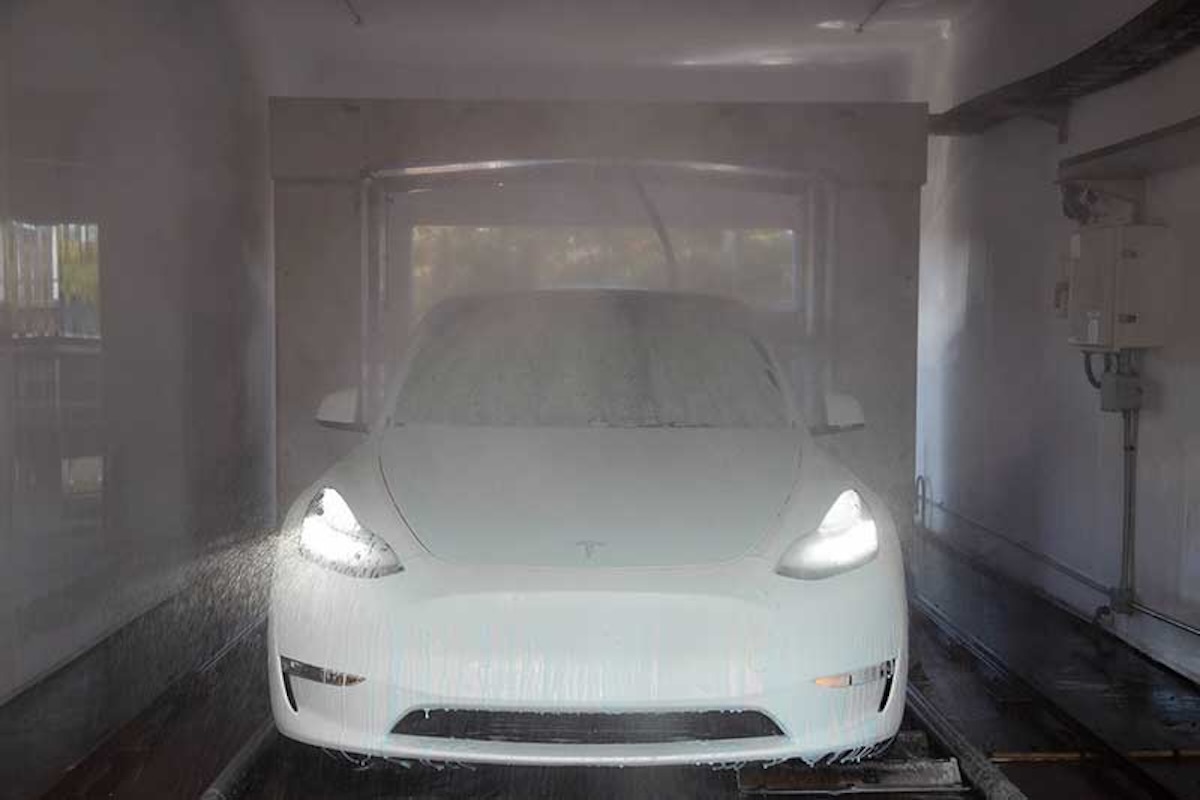
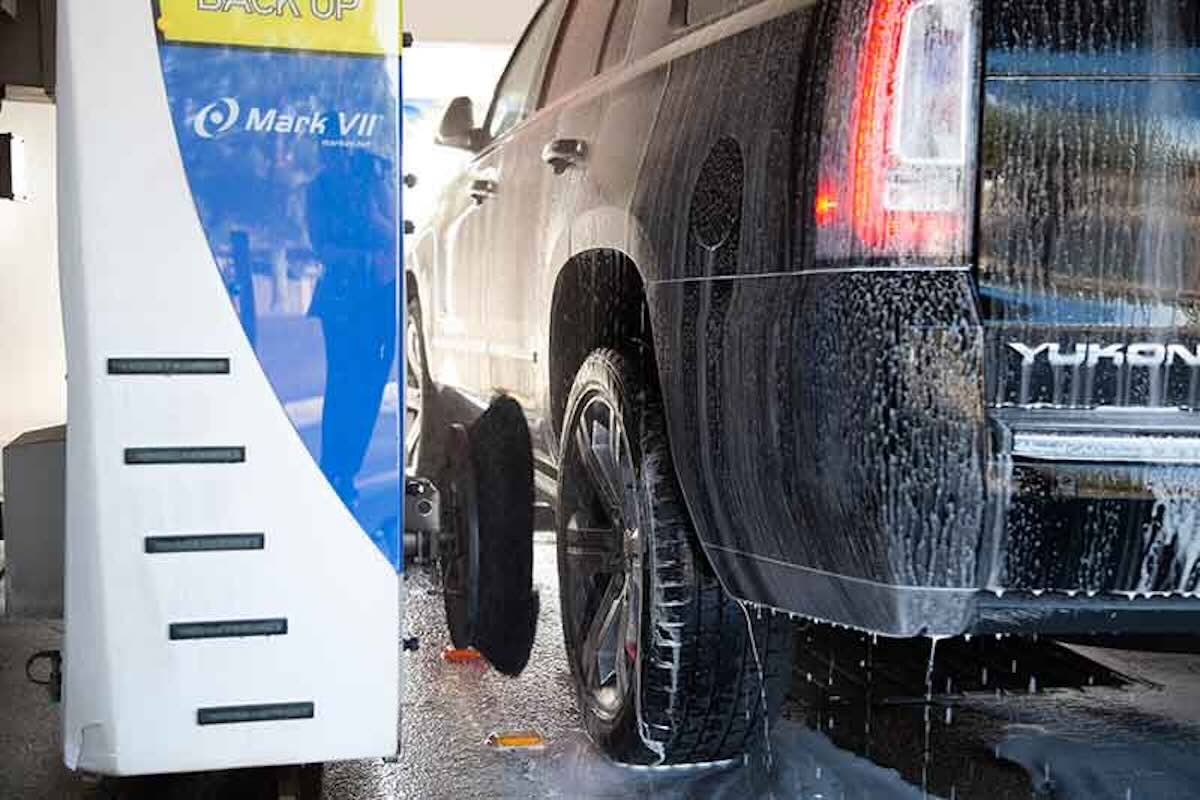
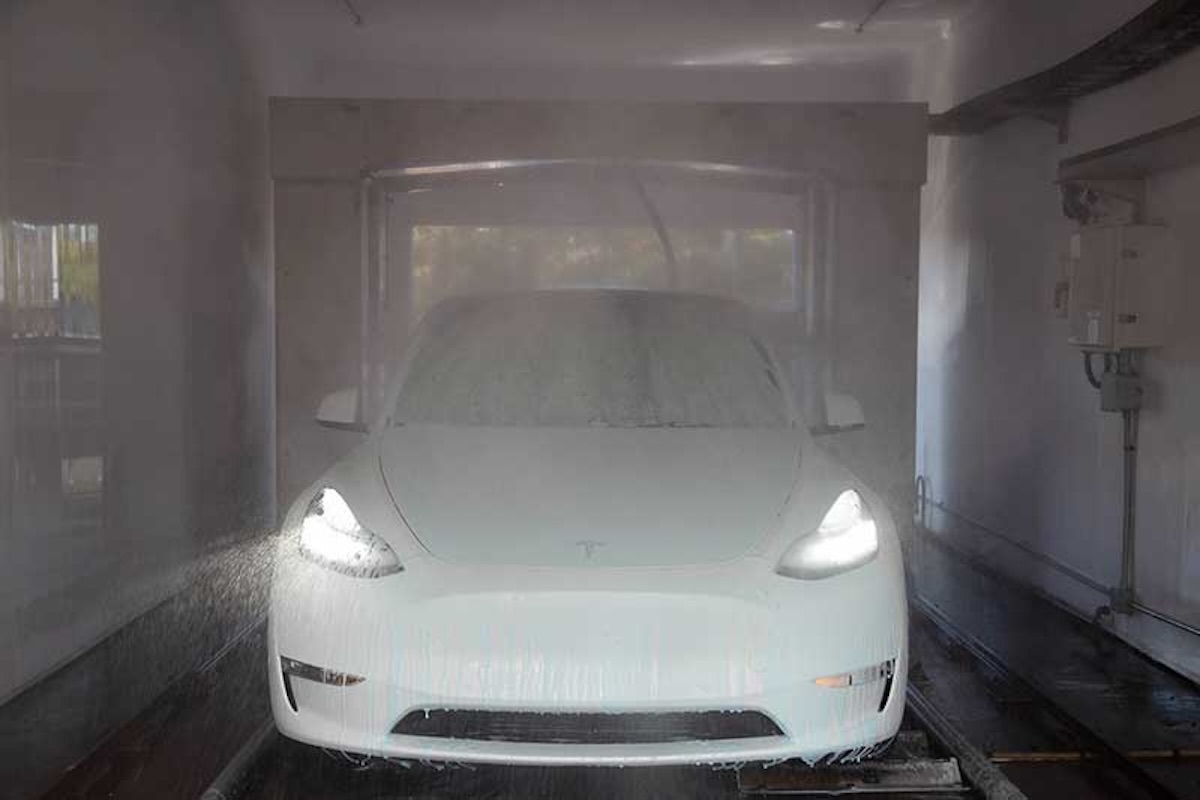
A touchless car wash helps remove dust and road grime without brushes or cloths rubbing against the lenses, making it a convenient option for regular cleaning.
Age and outdoor exposure matter
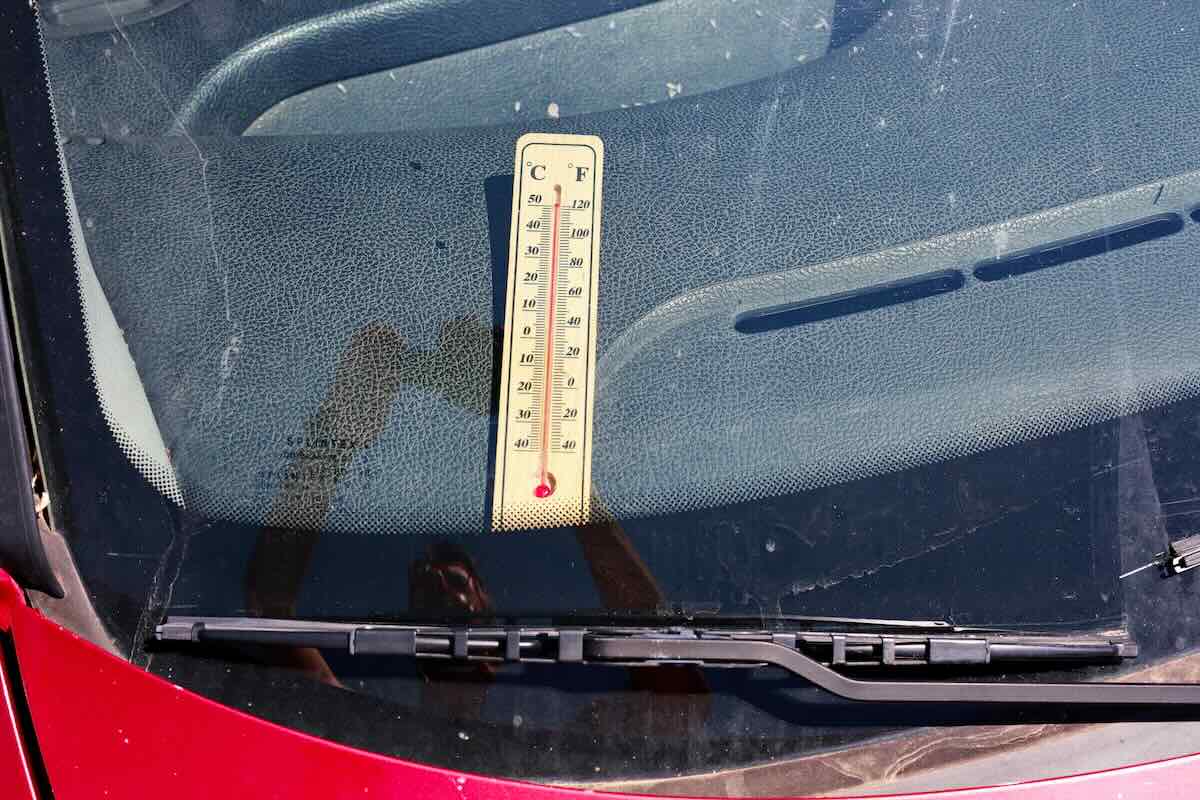
Heat is part of Arizona’s harsh outdoor environment, but blaming the thermometer alone doesn’t tell the whole story. Vehicle age, parking conditions, maintenance, coating quality, and previous restoration work all affect how the lenses hold up.
Are Yellow Headlights Just a Cosmetic Problem?
Yellow or cloudy lenses can reduce the light reaching the road, making this more than a cosmetic concern.
In a 2018 laboratory study, AAA tested deteriorated headlights from two approximately 11-year-old sedan models. Their low beams produced just 22% of the light output of new headlights. That result describes the tested units, not every yellow headlight, but it shows how severe deterioration can affect performance.
If nighttime visibility has worsened, have the headlights checked. Clear-looking lenses alone do not confirm that bulbs, alignment, and other components are working correctly.
Your car may be comfortable embracing a vintage look. Your nighttime visibility deserves better.
Can a Car Wash Fix Yellow Headlights?
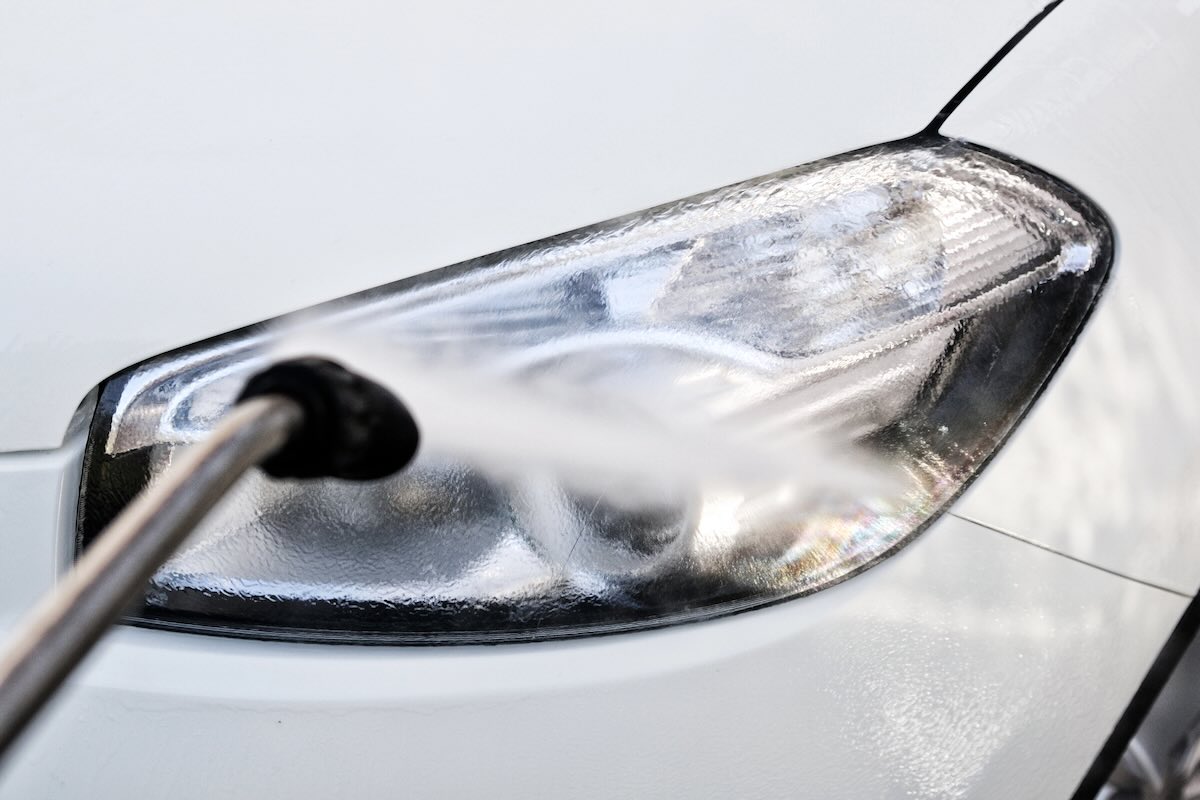
A car wash removes surface dirt and potentially damaging contaminants, but it does not repair headlight lenses that have already yellowed from sun exposure.
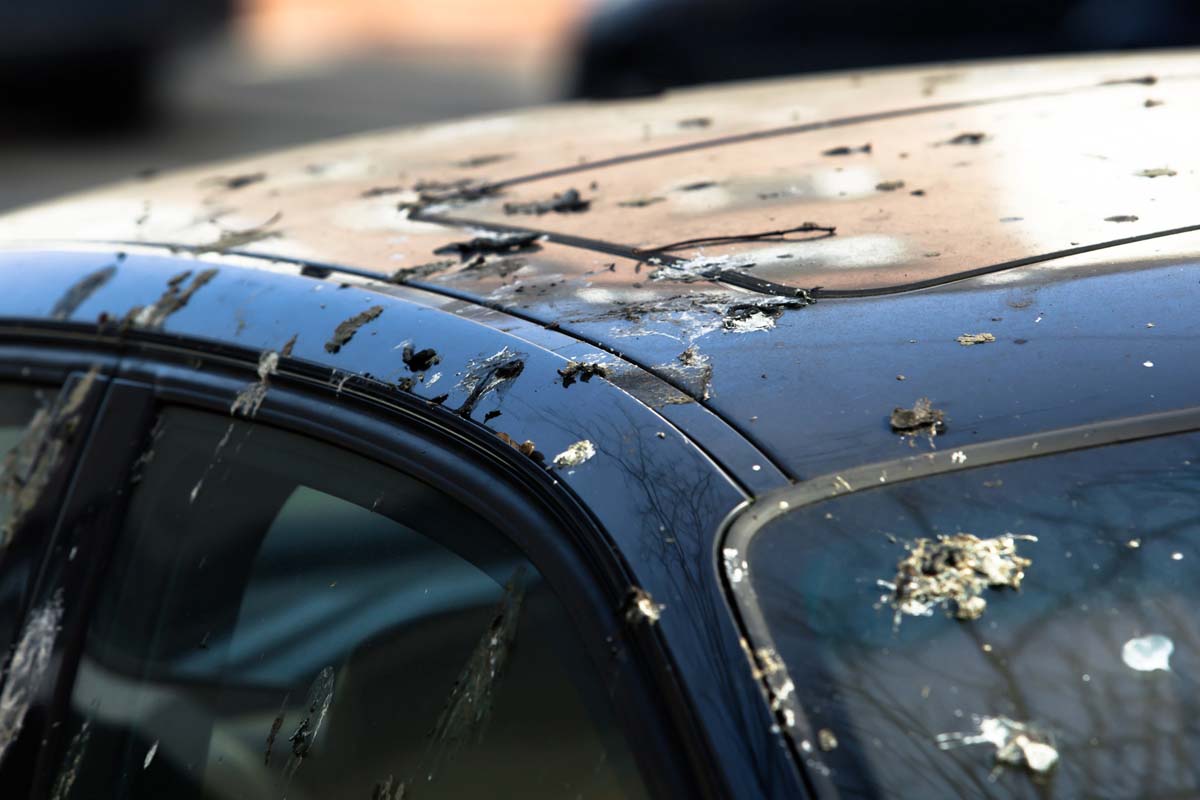
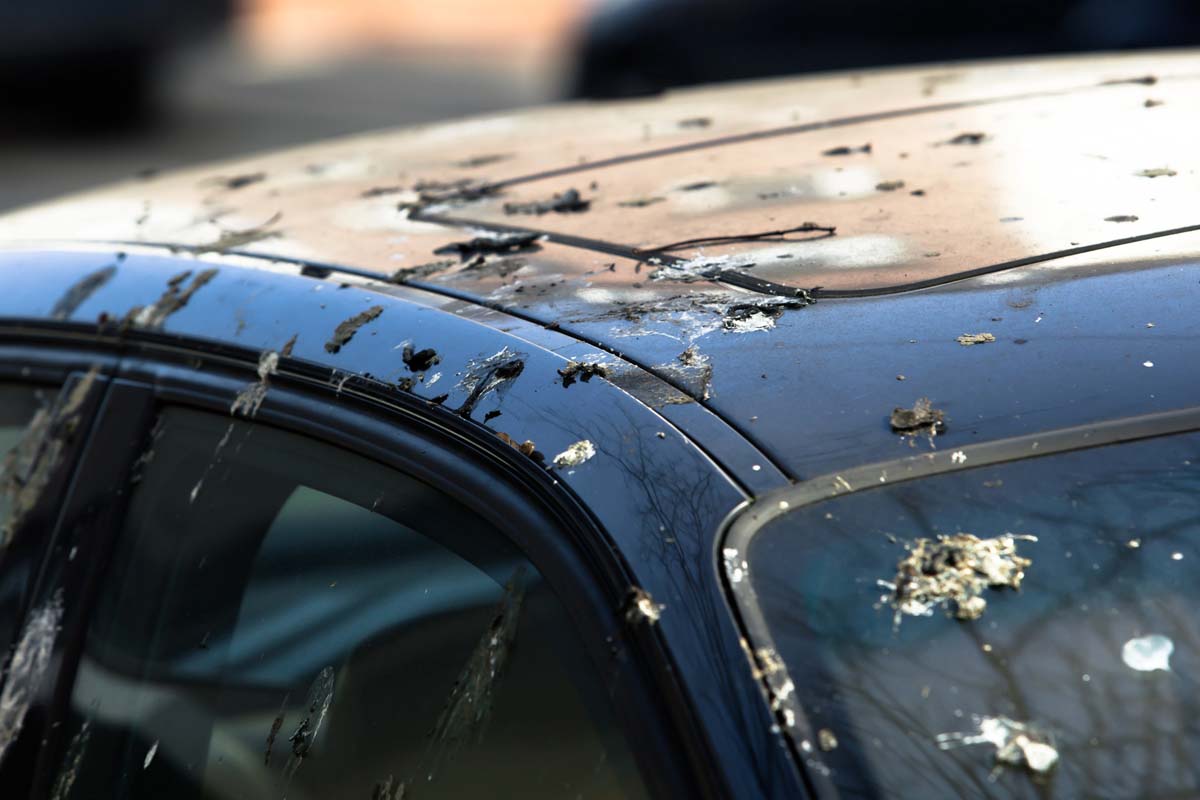
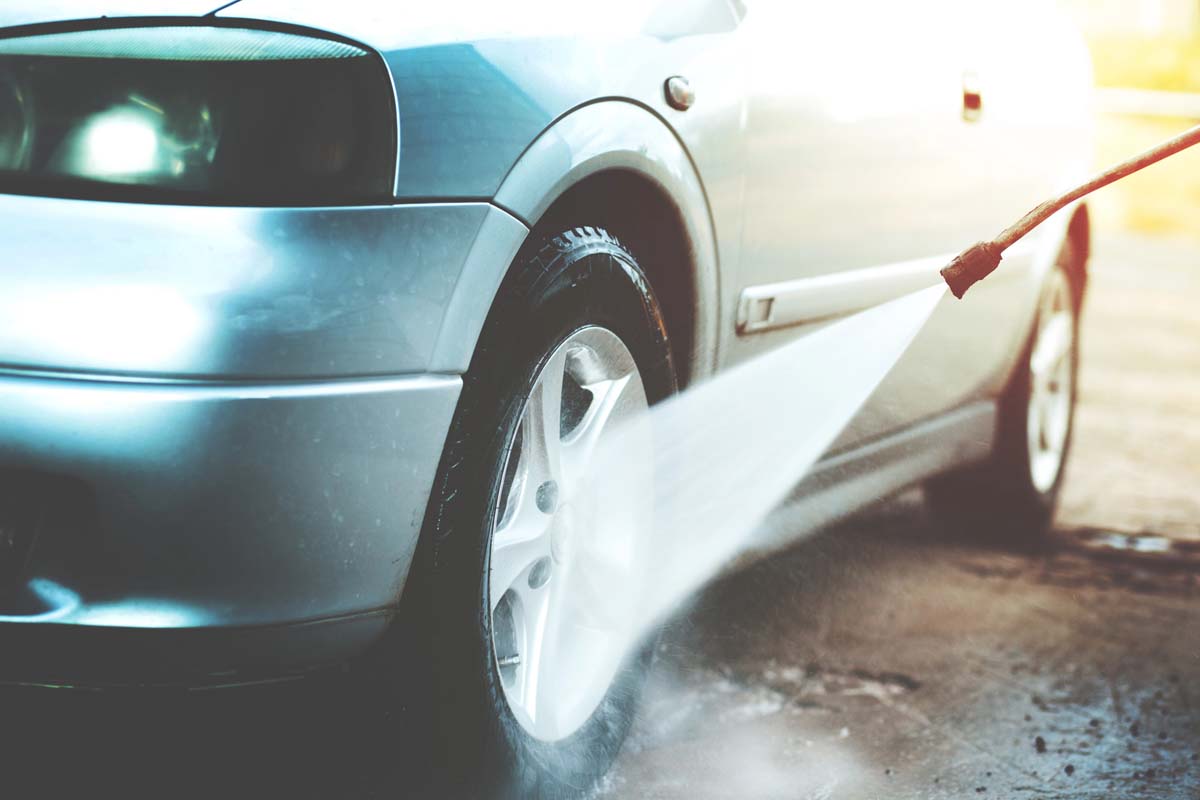
Regular washing does more than improve appearances. Dust and grit can contribute to scratches when rubbed across the lenses, while bird droppings and insect residue can contribute to surface deterioration if left in place. Removing these contaminants promptly helps care for the lens surface and its protective coating, although UV exposure remains the main cause of yellowing.
Washing also reveals what remains beneath the grime. After the headlights are clean and dry, inspect them in daylight:
- The haze disappeared: Surface grime was likely contributing to the problem.
- The yellowing remains: The exterior coating or plastic may need restoration.
- The fog is inside: Exterior washing or polishing will not address it.
Anytime’s touchless car washes use water jets and cleaning products without brushes or cloths contacting your car. They make routine cleaning convenient, while headlight restoration is a separate job.
How Can You Fix Yellow Headlights?
Use a headlight restoration kit for suitable surface damage
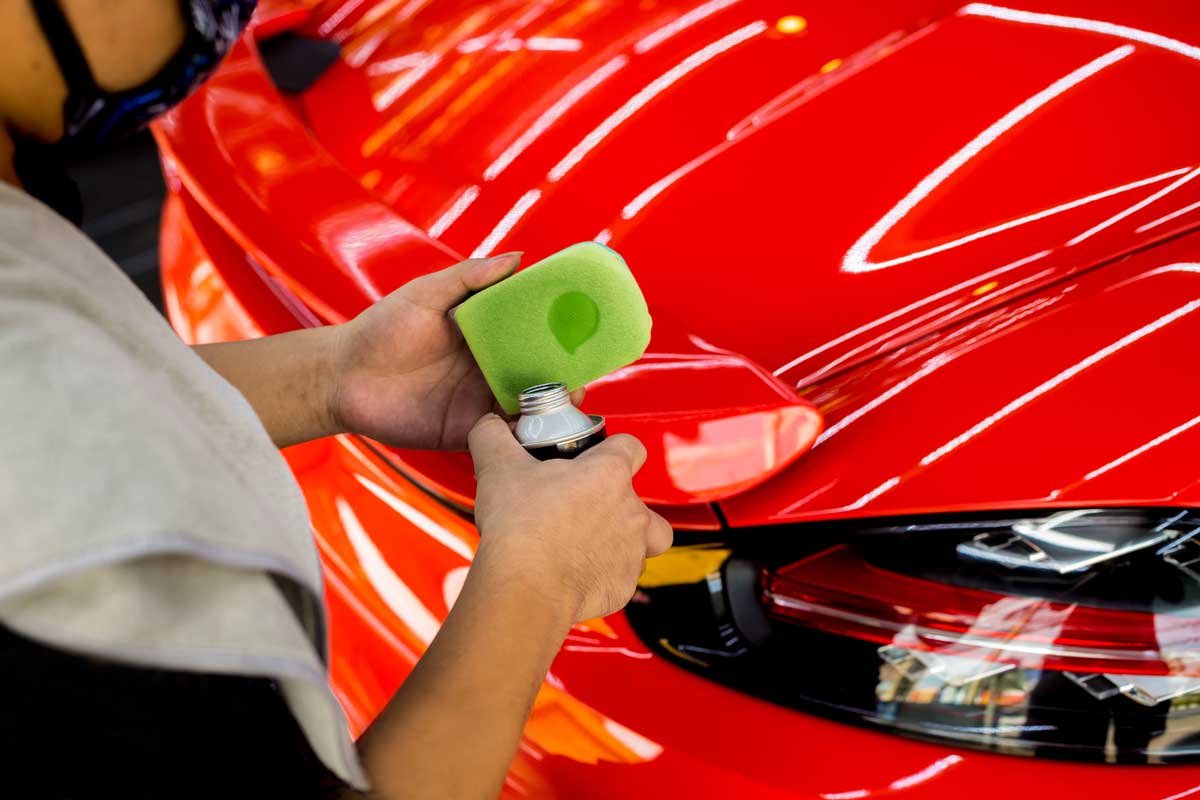
A kit designed for plastic headlights can remove exterior yellowing and haze. Depending on the product, the process may involve surface preparation, controlled sanding, polishing, and a protective finish.
Choose a headlight restoration system that includes UV protection, and follow its instructions for masking nearby paint, application conditions, and curing time. For example, SYLVANIA’s restoration process finishes with a UV-blocking clear coat.
That last step matters. Removing deterioration without renewing protection leaves the restored surface vulnerable to sunlight again.
Consider professional restoration
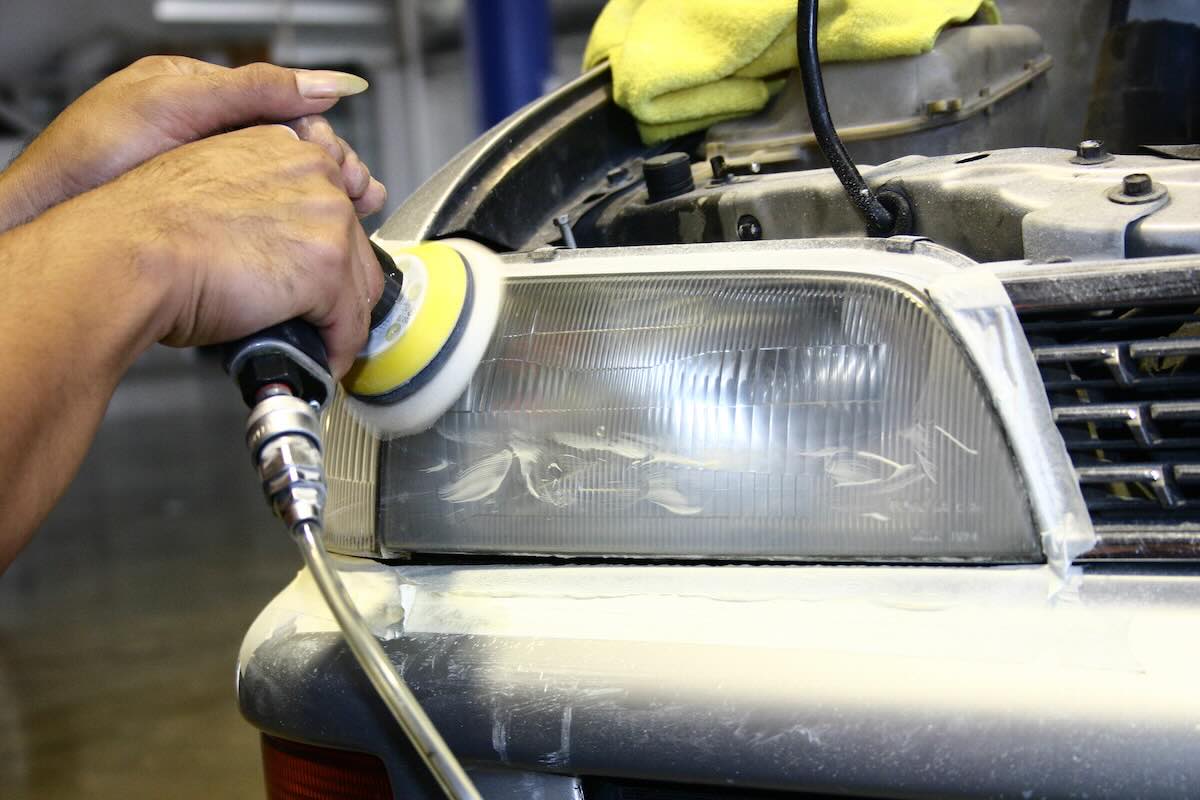
Professional restoration may be useful when the haze is substantial or you would rather leave sanding and coating to someone experienced.
Ask what protection is applied afterward and what results are realistic for your lenses. Restoration can improve clarity, but it does not guarantee factory-new lighting performance or repair every kind of damage.
Replace headlights when restoration cannot solve the problem
Cracks, deep damage, persistent water intrusion, or deteriorated internal components may require repair or replacement instead of exterior polishing.
A qualified repair shop can assess the assembly and check light output and alignment. If the issue is inside the headlight, another round of exterior polishing is unlikely to help.
How Can You Help Prevent Headlight Yellowing in Arizona?
You cannot negotiate with the Arizona sun, but reducing exposure and keeping up with maintenance can help slow headlight deterioration.
- Choose covered parking when practical. A garage or carport reduces direct sunlight on the lenses.
- Wash regularly and remove contaminants promptly. Routine washing removes dust, road grime, bird droppings, and insect residue that can dull headlights or contribute to surface deterioration when left in place.
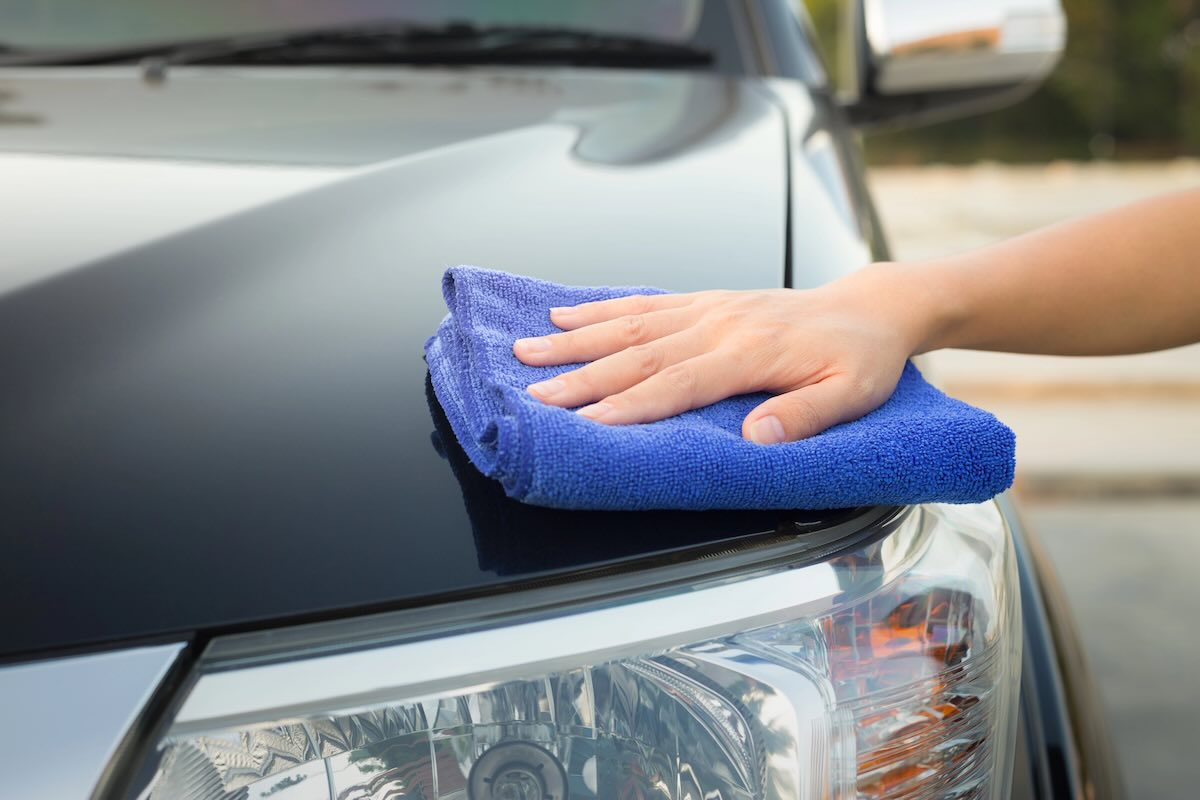
- Avoid wiping dusty headlights dry. Rinse away loose grit before gently cleaning with a soft cloth and a product suitable for plastic headlights. Scrubbing dust across the lenses can add scratches.
- Use protection made for headlight lenses. Follow compatibility and maintenance instructions. A general car wax is not automatically a substitute for a headlight-specific UV coating.
- Inspect the headlights periodically. Look for discoloration, peeling, cracks, and moisture inside the assembly. Addressing changes early helps you determine whether cleaning, restoration, or professional inspection is needed.
A touchless car wash makes routine cleaning convenient without brushes rubbing against the lenses. Remove fresh bird droppings between washes, too—your car shouldn’t have to wear a bird’s review until wash day.
After restoration, follow the protective coating’s curing instructions before washing your vehicle. A fresh finish needs time to do its job.
Key Takeaways
- Sunlight damage is the main reason plastic headlight lenses turn yellow.
- Regular washing removes grime and potentially damaging contaminants, while making persistent yellowing easier to spot.
- Suitable exterior damage may respond to restoration with UV protection.
- Internal moisture, cracks, and poor light output deserve a professional assessment.
- Covered parking, careful cleaning, and appropriate lens protection support ongoing care.
Give Your Headlights a Clean Start
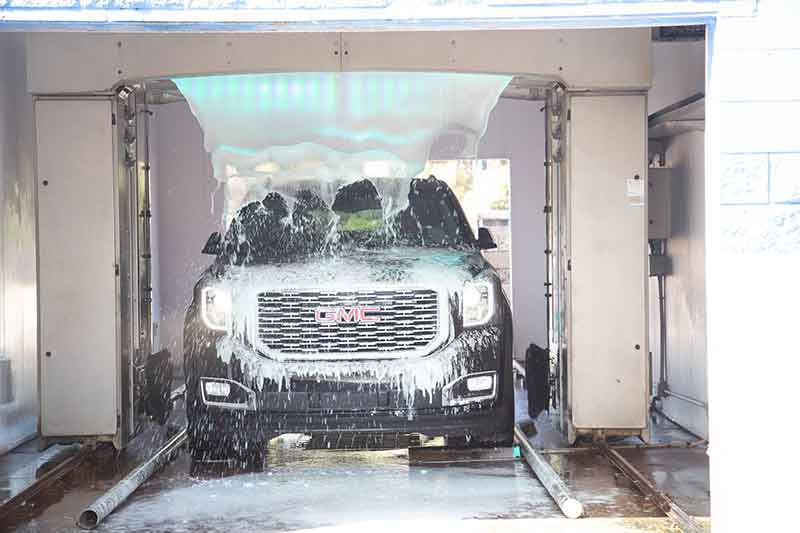
Start with a clean car, then take a closer look at those lenses. If the yellowing stays, consider restoration or a repair-shop assessment rather than another round of enthusiastic scrubbing.
For routine cleaning, find an Anytime Touchless Car Wash location near you. Our Phoenix-area locations are open 24/7, so you can fit a wash around your schedule.
Frequently Asked Questions
Toothpaste may temporarily improve mild surface haze through abrasion, but it does not provide a complete restoration system or lasting UV protection. A product designed for plastic headlights offers a more controlled approach. Your headlights do not need minty breath.
Polishing can remove deterioration without replacing the protective layer. Renewed yellowing may mean UV protection was missing, wore away, or was applied incorrectly. Deeper lens damage can also limit results.
Brighter bulbs do not remove the haze blocking or scattering light. Address the lens condition and have the lighting system checked before changing bulbs. Use bulbs specified for your vehicle.
Not necessarily. Some temporary condensation can occur in vented lamp assemblies. Persistent moisture, large droplets, or pooling water should be evaluated according to your vehicle’s owner’s manual. Exterior restoration cannot remove moisture inside the housing.