
Keeping your car looking sharp in the winter isn’t just about holiday road trips and photo-ready shine—it’s also about protecting your vinyl wrap or paint protection film (PPF) from winter wear. Wrapped vehicles look incredible, but they need the right kind of care, especially during colder months when cold, snow, and ice can make wrap or film more brittle or vulnerable to salt, grime, and abrasion.
The good news? Winter in Phoenix is mild, but it still comes with unique challenges for wrapped cars—and knowing the safest way to wash your vehicle can help your wrap or PPF last longer and stay vibrant.
Let’s dive into the best practices for winter wrap care and why a touchless car wash is the safest way to clean your wrapped or PPF-protected car this season.
At a Glance: How to Care for Vinyl Wrap and PPF During Winter
- Touchless is safest—no brushes, friction, or swirl marks
- Cold weather = more grime stuck to vinyl and PPF
- Cold, ice, and snow can make vinyl wrap and PPF more brittle
- Wrap edges are sensitive and can lift if cleaned improperly
- Ceramic-coated wraps need gentle care to maintain hydrophobic protection
- Winter road trips to Northern AZ expose your wrap to salt, mud, and bugs
- Routine washing is crucial for preserving color, gloss, and longevity
Why Does Winter Matter for Wrapped Cars in Phoenix?
Phoenix may not get snow, but winter still creates conditions that affect vinyl wrap and PPF:
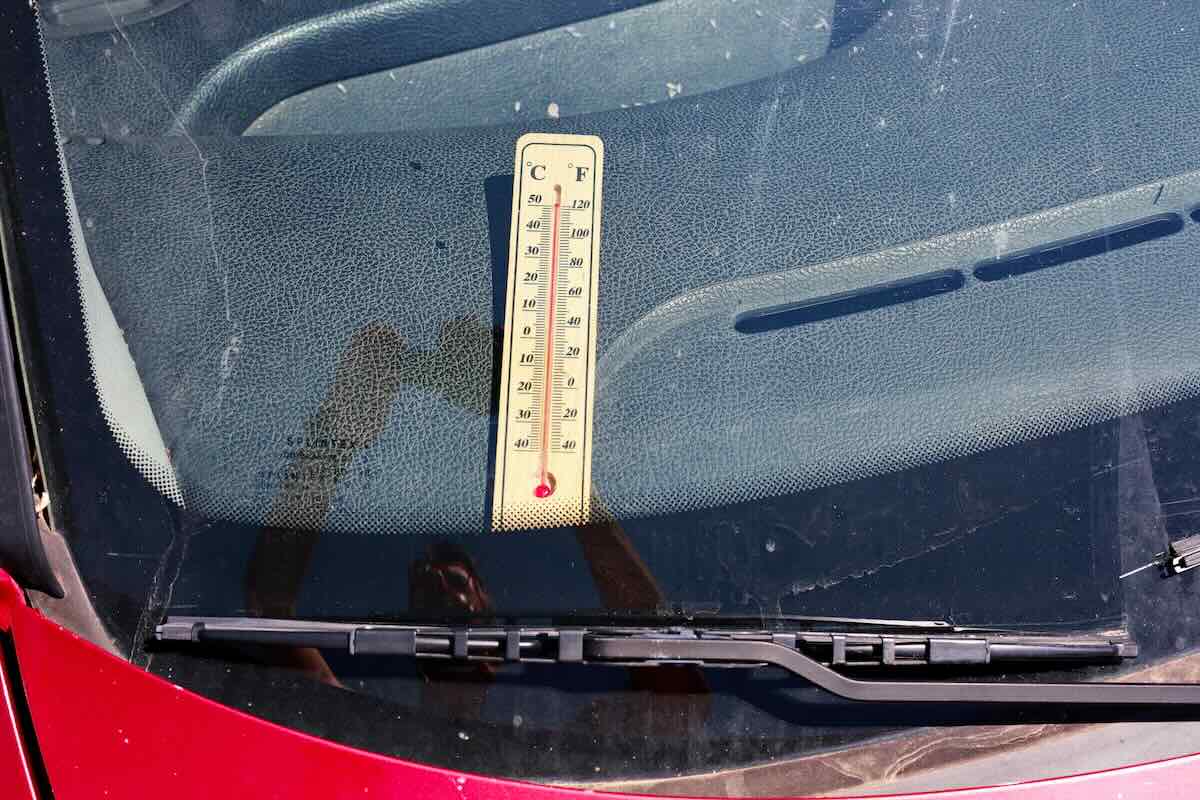
Cooler temperatures = more brittle wraps
Cold weather, ice, and snow can make vinyl wrap and PPF less flexible, meaning improper washing can cause edge lifting or micro-tears.
Cooler mornings = more moisture
Condensation mixes with dust and road grime, making it more likely to cling to your wrap.
Holiday travel = dirt, bugs, and salt
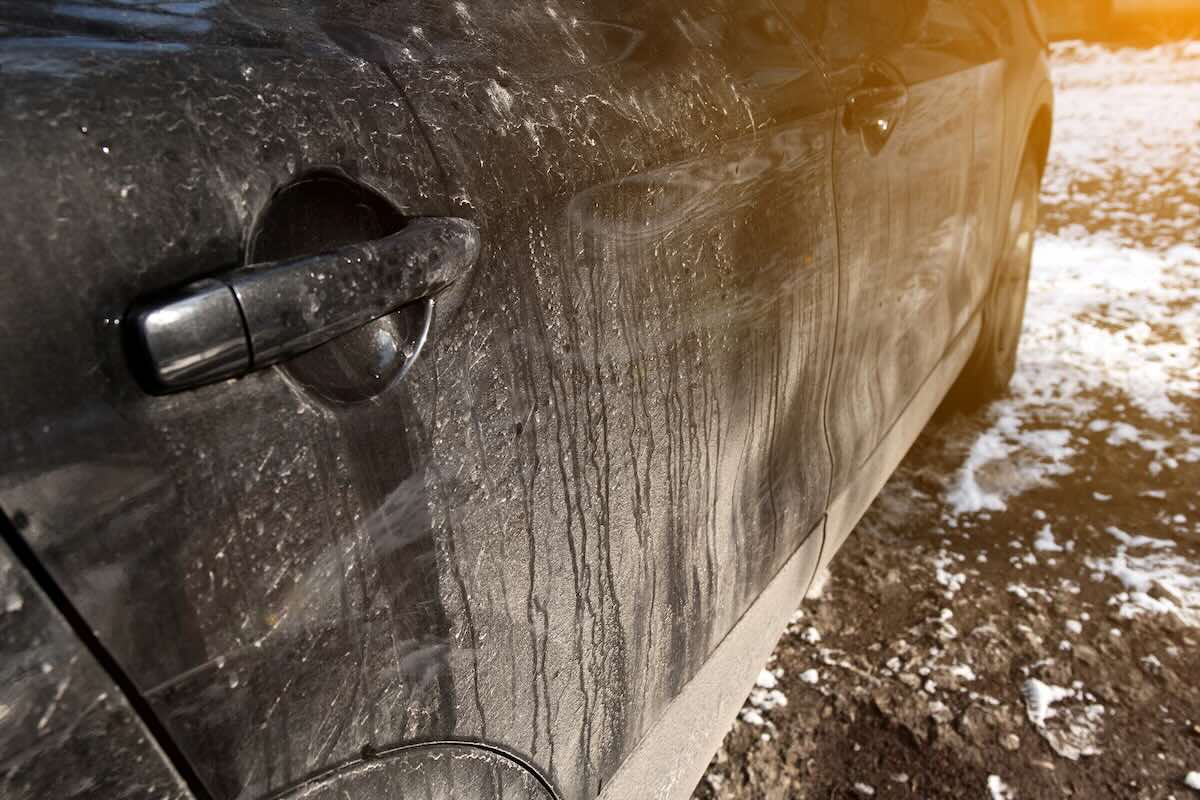
If you’re heading to Northern Arizona, your vehicle may encounter:
- road salt
- mud
- pine sap
- bug splatter
- red dirt
All of these can stain or degrade vinyl and PPF if not removed properly.
More debris in the air
Winter breezes and dry air mean:
- desert dust
- pollen
- leaf debris
These accumulate quickly on smooth vinyl surfaces—making winter one of the most important times to wash your wrapped vehicle.
Is a Touchless Car Wash Safe for Vinyl Wrap and PPF?
Yes — it’s much safer than regular brush car washes.
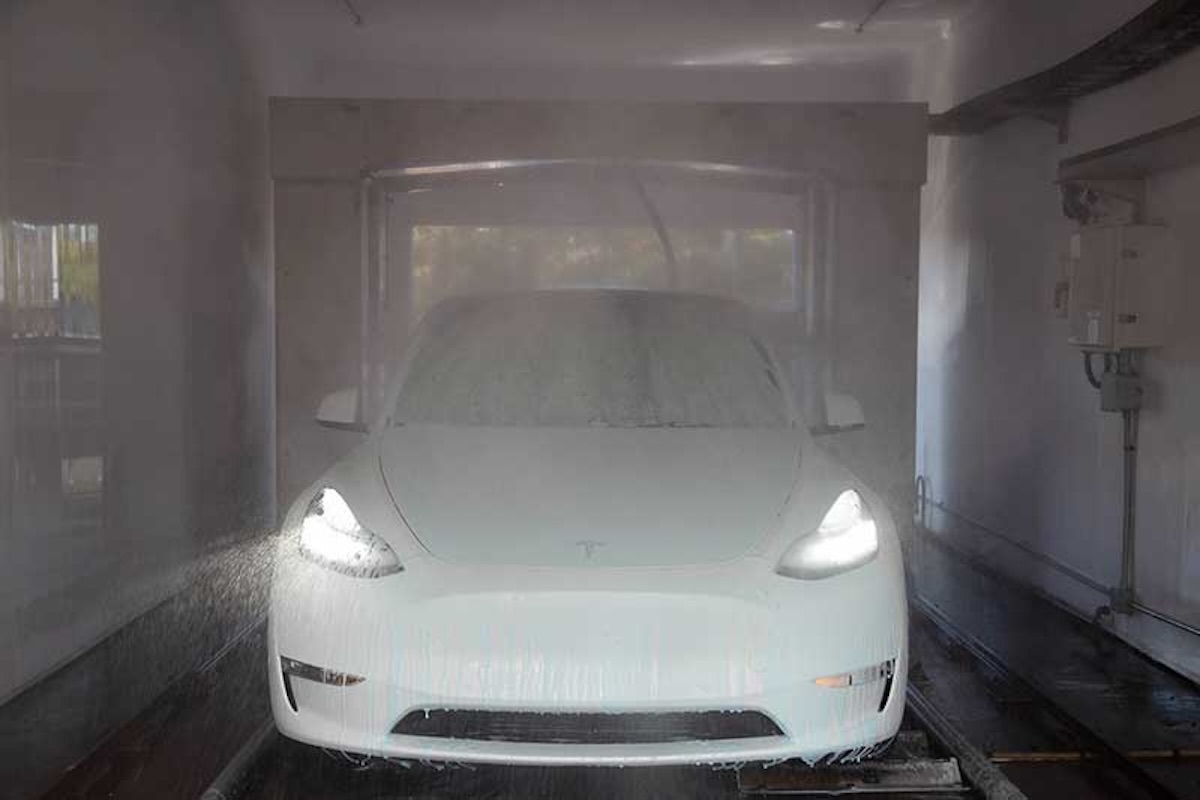
Washing wrapped cars requires low pressure, controlled chemicals, and zero physical contact—exactly what Anytime Touchless Car Wash delivers.
Why touchless is safest for wraps and PPF:
- No brushes = no scratching or marring
- No friction = no edge lifting or premature peeling
- No abrasive cloths = no swirl marks on matte or satin wraps
- Even, gentle pressure that won’t damage vinyl or film
This matters for:
- gloss vinyl wraps
- matte or satin wraps
- color-change wraps
- printed wraps
- PPF-coated vehicles
- ceramic-coated wraps

Brush or tunnel washes can strip finish, cause streaking, or damage wrap edges—especially in cooler temperatures.
Is Hand Washing Safe for Vinyl Wraps? (Yes—But Not Ideal in Winter)
Hand washing is safe for vinyl wrap and PPF—if you use the right soaps, mitts, water pressure, and drying techniques. In fact, many wrap installers recommend hand washing as an ideal method.
But in winter?
- Cold mornings make water dry unevenly
- Wrap edges become more brittle in cold air
- Your hands freeze
- Soap dries faster, increasing streaking risk
- Most people don’t want to spend 30–45 minutes washing a car in chilly weather
That’s why a touchless car wash becomes the realistic, safe, and convenient choice during winter.
You get the same no-contact protection as hand washing—without battling cold water, buckets, and drying towels.
How a Touchless Car Wash Protects Ceramic-Coated Wraps
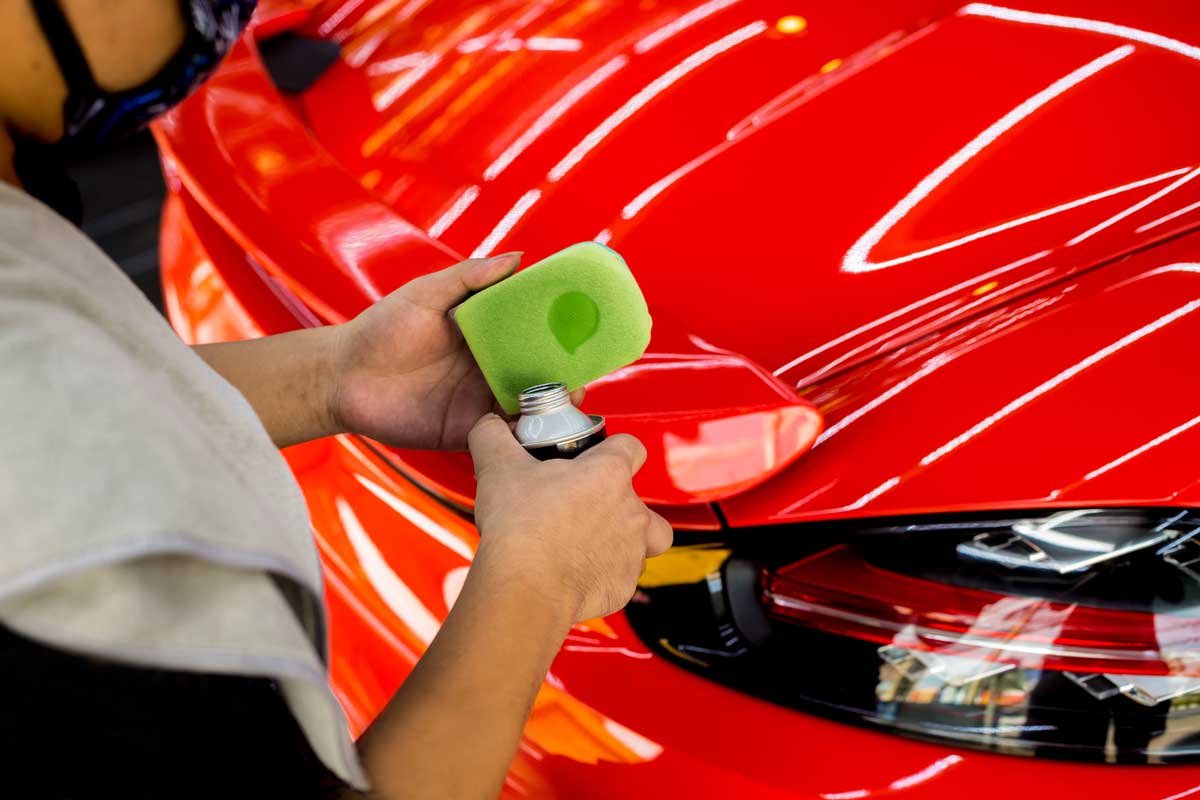
Many wrap or PPF owners choose to add ceramic coating over the vinyl for extra shine, durability, and hydrophobic protection.
Ceramic-coated wraps should never go through a brush-based wash because brushes can:
- wear down the coating
- leave micro scratches
- create dull spots on matte coatings
- reduce hydrophobic performance
Anytime Touchless Car Wash uses:
- controlled, coating-safe detergents
- high-pressure water application
- zero-contact rinse cycles
Drying is handled by our automatic blow-dry system at the end of the wash for a safe, towel-free finish.
Touchless wash + touchless dry = the safest winter combination for wrapped cars.
This maintains ceramic protection—even in the winter.
How Often Should You Wash a Wrapped Car in Winter?
Recommended: every 10–14 days
Even in mild winter weather, grime builds up faster on vinyl because the surface is smoother and attracts static.
Wash more frequently if you:
- travel to Northern AZ
- park under trees
- drive dusty routes
- have a matte or satin wrap
- have a light-colored wrap
- commute long distances
Best Winter Car Wash Tips for Wrapped and PPF-Protected Vehicles
1. Avoid Brush Washes—Especially in Cold Weather
Brushes stiffen in cold conditions, causing scratching, streaking, and edge damage.
2. Choose Touchless to Protect Wrap Edges
Touchless prevents moisture intrusion, peeling, bubbling, and corner lifting.
3. Wash Immediately After Road Trips
Bug splatter + cold air = harder, stickier stains.
A touchless wash removes them safely.
4. Protect Matte and Satin Wraps with No-Contact Washing
Brushing can leave glossy spots, hazing, or uneven texture.
5. Keep Wraps Dry When Possible
Moisture under wrap edges can lead to lifting, cracking, or shrinkage—especially during colder winter mornings when vinyl becomes slightly less flexible.
That’s why proper drying is just as important as proper washing. Anytime Touchless Car Wash includes an automatic high-powered blow-dry at the end of every wash, helping remove excess water without the need for towels or hand-drying (which can accidentally tug at wrap edges or leave streaks).
Why the Mark VII AquaJet XT Is Ideal for Wrapped and PPF Vehicles

Anytime Touchless Car Wash uses one of the most advanced touchless systems available—the Mark VII AquaJet XT.
What makes it perfect for wraps?
- precise, controlled water pressure
- industry-leading no-contact cleaning
- wrap-safe detergents
- uniform coverage that avoids edge lifting
- paired with a no-contact automatic blow-dry system for safe drying at the end of your wash
This system delivers maximum clean with zero physical contact—exactly what wrapped cars need.
How to Care for Vinyl Wrap After a Touchless Wash
- Inspect edges to ensure they stay sealed
- Use a wrap-safe spray detailer (if ceramic-coated)
- Avoid wiping dry unless using microfiber
- Don’t apply excess pressure to matte wraps
- Keep your vehicle out of direct sun immediately after washing in cold weather
Key Takeaways
- A touchless car wash is the safest option for vinyl wrap and PPF, especially in winter.
- Brushes and scrubbers can scratch, scuff, or lift wrap edges—leading to costly repairs.
- Phoenix winter brings more condensation, which traps dust and dirt against your wrap.
- If your wrap or PPF is ceramic-coated, touchless washing helps maintain its protection.
- Washing regularly in the winter prevents buildup that can stain or dull your wrap.
Final Thoughts: Keep Your Wrapped Car Looking Its Best This Winter

From holiday road trips to everyday Phoenix driving, your vinyl wrap or PPF deserves the gentlest, safest care—and touchless washing is the best winter solution.
Anytime Touchless Car Wash makes it easy with:
- Four convenient 24/7 locations
- Fast, brush-free washing
- Wrap- and PPF-safe cleaning technology
All four locations are open 24/7, 365 days a year, and feature powerful vacuums and vending machines.
A safer wash means better protection, brighter colors, and a wrap that lasts long after the holidays.
Frequently Asked Questions
Yes—as long as it’s touchless. Avoid any wash that uses brushes.
Not in a controlled touchless system like the Mark VII AquaJet XT.
Yes. Wrap edges become more sensitive to moisture and cold.
Absolutely—just use a touchless wash to avoid streaking or gloss patches.
Every 10–14 days, or more often after road trips or exposure to road salt.